In recent months, Apple has been making strategic moves in the field of artificial intelligence (AI), signaling a significant shift in how the company integrates AI into its ecosystem. Unlike some of its competitors that lead with flashy announcements and large-scale AI models, Apple has taken a more discreet, user-focused approach—prioritizing privacy, on-device processing, and seamless user experience.
This article explores Apple’s evolving AI strategy, its current and future implementations, and what it means for consumers, developers, and the broader tech industry.
Apple Intelligence: A Privacy-First Approach to AI
At its core, Apple’s AI strategy emphasizes privacy and on-device intelligence. Rather than relying heavily on cloud-based AI, Apple’s machine learning capabilities are designed to run locally on users’ devices whenever possible. This limits data transmission and gives users more control over their personal information.
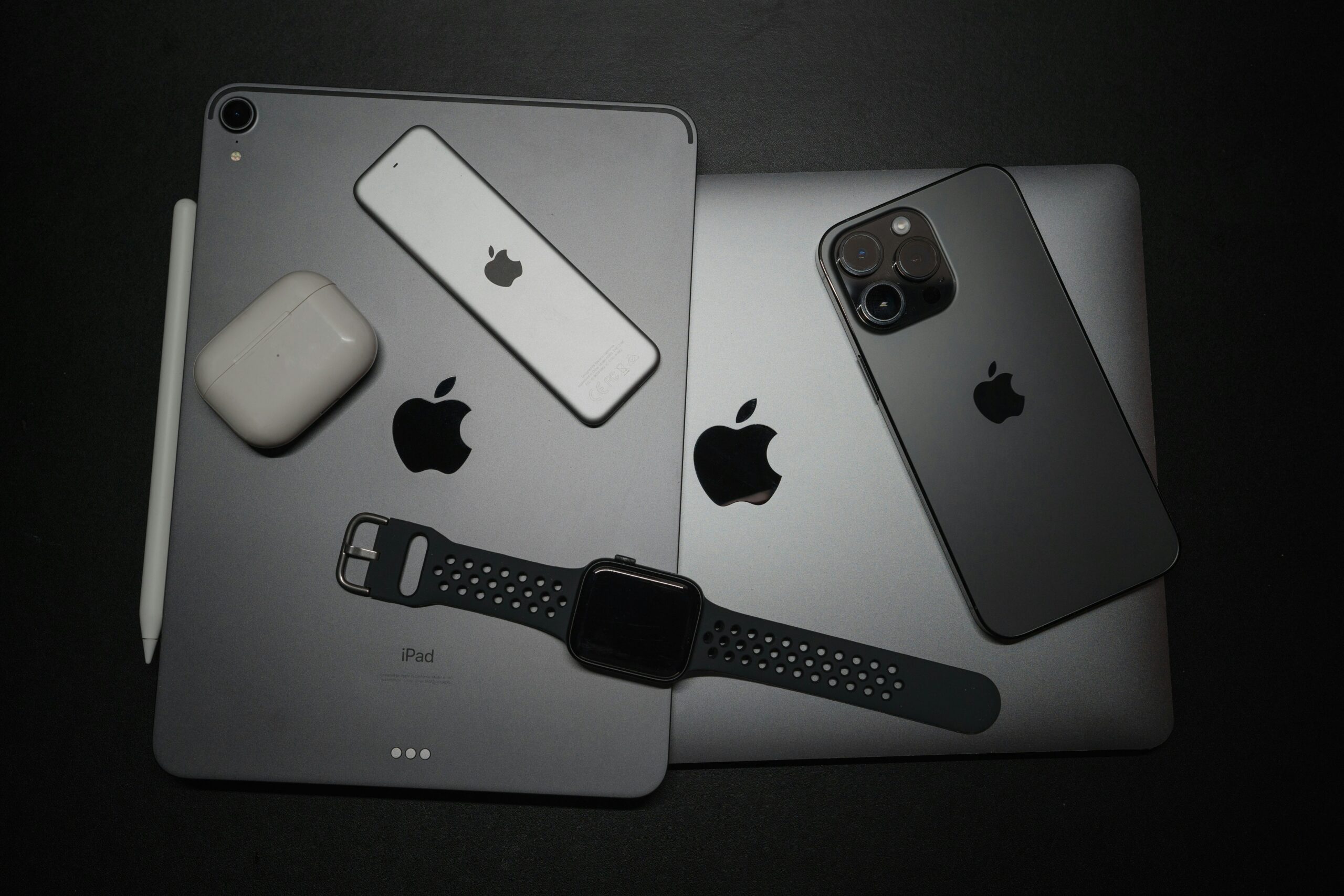
Apple’s custom-designed chips, such as the M1, M2, and the newly released M3, feature Neural Engines specifically optimized for AI tasks. These chips allow iPhones, iPads, and Macs to perform complex machine learning computations directly on the device—enabling features like:
- Live Text: Detects and copies text from images and photos
- Siri Suggestions: Learns user behavior to provide contextual actions
- Face ID and Smart HDR: Use machine learning for secure authentication and enhanced photography
- Personalized Siri and Spotlight Search: Tailor results based on usage patterns
This method reflects Apple’s long-standing commitment to security and user trust, distinguishing its AI strategy from data-hungry competitors.
AI Integration Across Apple Products
Rather than building a single generative AI model like ChatGPT or Gemini, Apple is embedding AI into its product ecosystem in highly practical ways. For example:
- iOS 17 introduced real-time transcription in voicemail and improved autocorrect powered by transformer-based language models.
- macOS Sonoma uses AI to enhance screen sharing, camera framing, and presenter overlays during video calls.
- watchOS includes AI-enhanced fitness tracking, capable of detecting trends and anomalies in user activity and health metrics.
Apple’s rumored partnership with OpenAI may further expand its AI capabilities, potentially bringing generative AI features to Siri and other services in 2025 and beyond.
AI in Hardware Design and Manufacturing
Apple is also leveraging AI in its hardware design process. Through advanced machine learning, Apple engineers can simulate chip performance, optimize battery usage, and predict thermal behavior during early development stages. This not only speeds up the design cycle but also reduces the risk of costly hardware flaws.
Moreover, AI is helping Apple refine camera systems, particularly in the iPhone Pro line. The company uses computational photography techniques to produce DSLR-like image quality from smartphone cameras, adjusting lighting, exposure, and depth in real time.
What’s Coming: Apple’s AI Roadmap for 2025
According to reliable industry analysts, Apple is preparing to launch “Apple Intelligence” as a unified AI platform that will tie together new features across all devices. Expected highlights may include:
- AI-enhanced Siri with more natural conversations and deeper app integration
- AI writing and summarization tools in Notes, Mail, and Safari
- Real-time language translation for FaceTime and Messages
- Generative image tools integrated with Photos and iMovie
- Developer APIs for third-party apps to use on-device AI securely
Apple’s AI roadmap emphasizes efficiency, privacy, and seamless user experience—positioning it uniquely in a landscape dominated by cloud-based AI giants.
Challenges and Competitive Pressure
While Apple’s slow-and-steady approach to AI has strengths, it also poses risks. Rivals like Microsoft, Google, and Meta are aggressively pushing generative AI tools into every corner of their ecosystems. Apple risks being seen as a laggard if it doesn’t match the pace of innovation in features like AI assistants, content creation, or productivity tools.
Moreover, Apple’s focus on on-device AI can limit model size and performance compared to cloud-based systems—though new breakthroughs in chip design (e.g., M3 and beyond) aim to close this gap.
Nonetheless, Apple’s deep integration of AI into its hardware-software ecosystem and its focus on user privacy offer a distinct competitive advantage in the long term.
Conclusion
Apple’s AI strategy is not about making the loudest headlines—it’s about delivering intelligent features that enhance everyday experiences while preserving privacy and user trust. From smarter photo editing to personalized Siri responses, Apple is embedding AI where it makes the most impact: directly into its ecosystem.
As the company continues to innovate with custom silicon and refined user experiences, it’s clear that Apple’s quiet approach to AI may turn out to be one of the most powerful strategies in the tech industry.